
www.foodpackautomation.com
28
'26
Written on Modified on
Sustainable Secondary Packaging Automation for Multipack Production
Meurer Verpackungssysteme implemented an advanced automation architecture from Rockwell Automation to power energy-efficient, paper-based secondary packaging machinery.
www.rockwellautomation.com
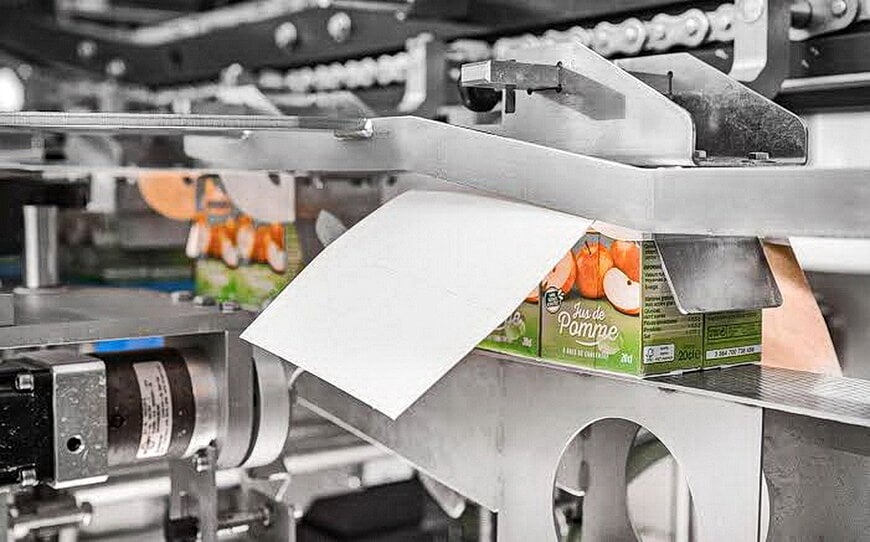
Food and consumer goods producers face increasing regulatory and consumer demands to eliminate single-use plastics from secondary packaging. Historically, multipack bundling relied on plastic shrink film processed through thermal shrink tunnels. These heating tunnels require substantial electrical power and generate excessive thermal losses, undermining sustainability initiatives. Transitioning from flexible polymer films to paper substrates introduces severe mechanical challenges, including altered tensile strength, complex adhesive bonding, and stringent feeding tolerances, all while production lines must maintain continuous high-speed throughput.
Engineering Sustainable Secondary Packaging Lines
To resolve these operational constraints, Meurer Verpackungssysteme engineered two dedicated paper-based multipack architectures: a paper sleeve system for premium presentation and an optimized tape banding format for cost-sensitive operations. Both units were designed to match the physical footprint and processing speeds of conventional shrink-wrap equipment, allowing food and consumer goods manufacturers to retrofit packing stations without altering factory floor layouts or throttling upstream manufacturing lines.
Eliminating thermal tunnels immediately reduced packaging energy consumption by up to 90%. However, managing delicate paper webs across intermittent and continuous movements required dynamic drive coordination. Meurer integrated control and visualization platforms from Rockwell Automation to synchronize mechanical handling across complex configurations containing up to 18 synchronized motion axes.
Modular Motion Architecture and Real-Time Diagnostics
The machine control architecture applies modular programming structured around Organization for Machine Automation and Control (OMAC) packaging standards. This standardized software methodology accelerated system commissioning and simplified code modularity across drive axes. Precise electronic camming and multi-axis tension regulation ensure safe paper transport without tearing, misfeeds, or adhesive failure.
Operational visibility is handled through the FactoryTalk Optix visualization platform, providing real-time telemetry and open communication interfaces. Plant personnel use these onboard analytics to track mechanical performance, diagnose operational anomalies, and adjust motion profiles without interrupting production cycles.
High Reliability and Quantifiable Line Performance
The resulting paper-packaging lines exceeded operational design targets during factory integration. Operating efficiency surpassed 99%, outperforming the standard contractual threshold of 98%. This operational gain delivers higher net yields across high-volume production shifts while mitigating investment risks for processors adopting recyclable packaging mediums.
"We typically contract for 98% efficiency. But achieving more than 99% is a huge benefit when you calculate total output," stated Matthias Look, Global Sales and Marketing Director at Meurer Verpackungssysteme GmbH.
Through synchronized drive control and integrated performance monitoring, the machinery provides consumer goods plants with a viable path to replace thermal film packaging with recyclable paper formats, ensuring structural package integrity and lower operating costs.
Edited by Evgeny Churilov, Induportals Media - Adapted by AI.
www.rockwellautomation.com
