

www.foodpackautomation.com
23
'26
Written on
Modified on
ULMA Packaging News
Packaging Technologies for Automated Meat Processing Production
ULMA Packaging will present tray sealing and thermoforming systems for meat packaging lines at the Feria de la Industria Cárnica de Guijuelo 2026.
www.ulmapackaging.com
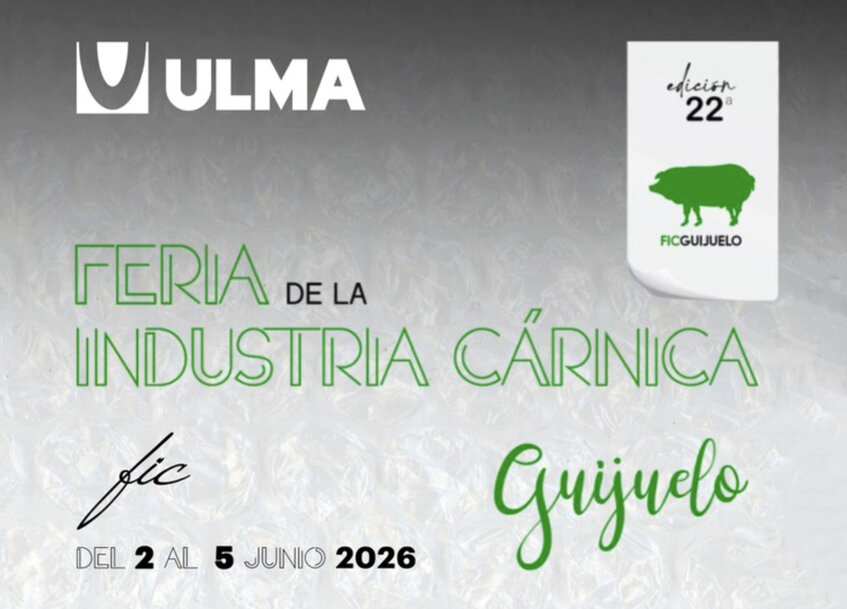
ULMA Packaging will participate from June 2 to 5 at the Feria de la Industria Cárnica de Guijuelo (FIC) in Spain, where the company will showcase packaging solutions designed to improve automation, productivity, and operational efficiency in the meat industry. The company will exhibit tray sealing and thermoforming technologies developed for medium-capacity production and high-output automated lines.
Packaging systems for the transition to automation
Growing demand for production flexibility and energy efficiency in the food industry is accelerating the adoption of automated packaging technologies capable of reducing operational costs and improving product preservation. In this context, ULMA Packaging will present equipment intended both for companies seeking to replace manual processes and for facilities operating high-capacity automated production lines.
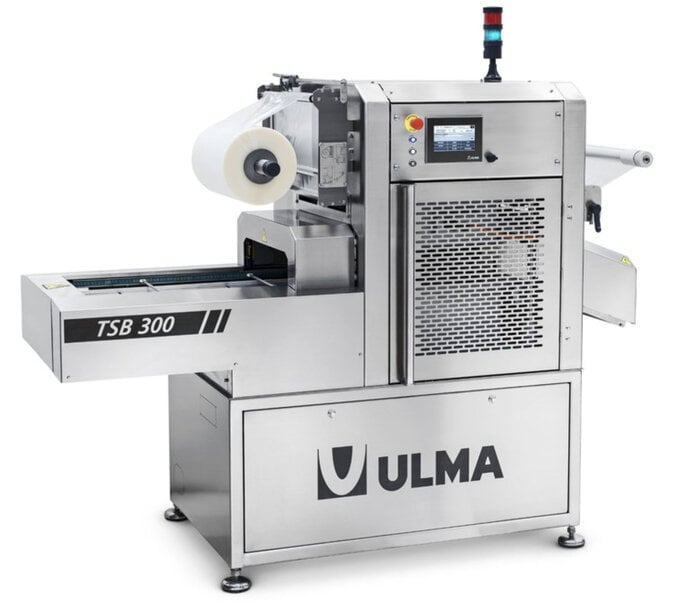
Among the main technologies is the TSB 300 automatic tray sealer, a compact system based on push transport of trays. The equipment is designed for modified atmosphere packaging (MAP), vacuum, and skin applications commonly used for fresh meat products, fish, and ready meals.
The machine can achieve up to 12 cycles per minute in sealing operations and 11 cycles per minute in MAP applications. The system is compatible with different types of preformed trays and includes fast format change capabilities to adapt to various production configurations.
Tray sealing technology for medium-capacity production lines
The TSB 300 is intended for producers seeking to introduce automation into medium-capacity operations without significantly increasing factory floor space requirements. The hygienic design facilitates cleaning and maintenance operations, a critical requirement in food processing environments subject to strict sanitary regulations.
In addition to reducing manual product handling, the use of MAP and skin technologies extends product shelf life by reducing oxygen exchange and improving surface protection during transportation and storage.
The system can also be integrated into existing automated lines, allowing gradual increases in automation levels within production facilities.
Automatic thermoforming for meat products
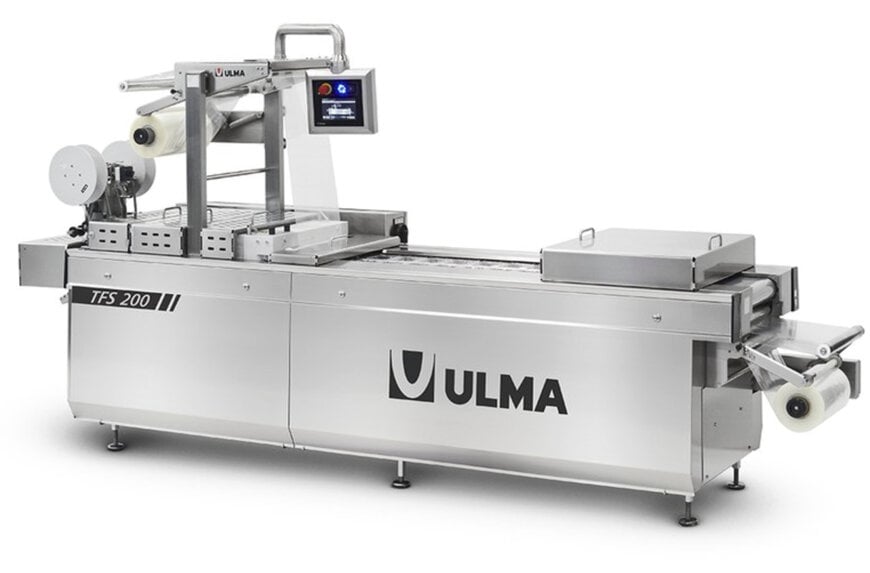
ULMA Packaging will also present the TFS 200 automatic thermoformer, designed for vacuum and modified atmosphere packaging of meat products. The system is intended for companies replacing manual packaging operations with automated processes while maintaining lower investment costs compared to larger industrial thermoforming systems.
Thermoforming technology enables packaging to be formed directly from plastic film during the production process, reducing unit packaging costs and minimizing product handling. According to the company, this approach contributes to increased productivity and improved final product presentation in meat processing applications.
Energy efficiency and integration of automated solutions
During the exhibition, the company will also address topics related to industrial sustainability, energy efficiency, ease of cleaning and equipment maintenance, and the integration of automated solutions within food processing facilities.
Packaging automation in the meat industry has become a strategic area due to increasing traceability requirements, food waste reduction targets, and optimization of energy resources in industrial environments.
Additional Context: This section details technical specifications and competitive benchmarking not included in the original product announcement
Tray sealing and thermoforming technologies for the food industry compete in a market where production speed, format flexibility, and energy efficiency are key technical criteria. Manufacturers such as MULTIVAC, SEALPAC, and ULMA Packaging develop systems for MAP, vacuum, and skin packaging applications for fresh and processed products.
Compact tray sealing solutions for medium-capacity production typically operate within a range of 8 to 15 cycles per minute, depending on format and modified atmosphere application type. In automatic thermoforming systems, packaging cost reduction is achieved through continuous use of flexible film and automation of the forming and sealing process.
MAP technologies continue to expand in the meat industry due to their ability to extend shelf life of fresh products by controlling gas mixtures inside the package, reducing oxidation and microbiological growth during distribution and storage.
Edited by Maria Brueva, Induportals editor – adapted by AI.
www.ulmapackaging.com
