
www.foodpackautomation.com
09
'26
Written on Modified on
FoodSafe Drains Introduces Engineering-Led Drainage Assessment Program
Structured facility evaluations help food and beverage processors identify drainage risks, support hygienic design compliance, and plan long-term infrastructure performance improvements.
foodsafedrains.com
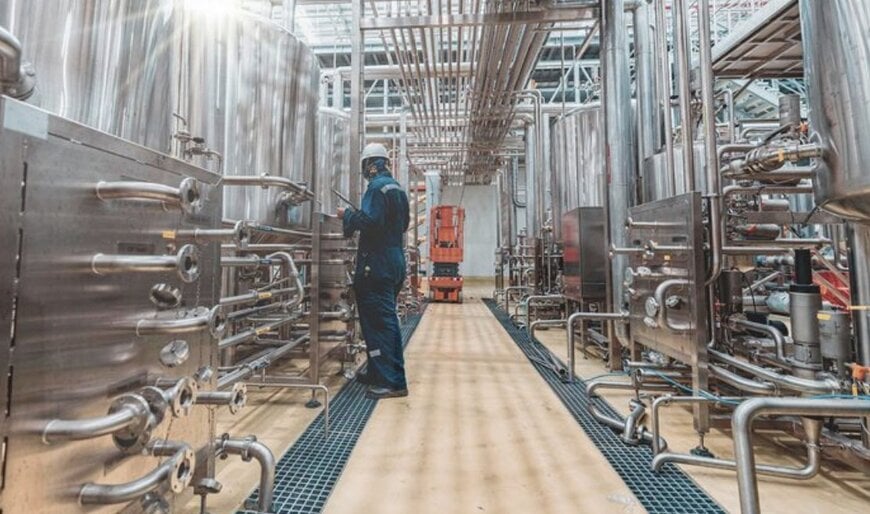
Reference image.
Effective drainage design is a core element of hygienic food and beverage production, influencing contamination control, worker safety, and equipment uptime. In this context, FoodSafe Drains has introduced a facility-wide Drainage Evaluation Program aimed at assessing system performance and guiding risk-based infrastructure improvements.
The program provides processors with an engineering-led framework to review how existing drainage systems perform under real production and sanitation conditions, and to translate findings into site-specific upgrade and maintenance strategies.
Looking beyond the drain grate
In food and beverage processing environments, drainage performance depends on more than the visible drain body. The evaluation framework covers drain types, installation methods, and maintenance practices, while also extending to adjacent systems such as flooring interfaces, underground piping, and below-grade infrastructure where required.
By examining how these elements interact during washdown, product changeovers, and peak production, the program links drainage performance directly to hygiene management and operational risk. This systems-level perspective aligns drainage decisions with broader facility objectives such as contamination control, worker safety, and production continuity, all of which are key elements of a compliant digital supply chain.
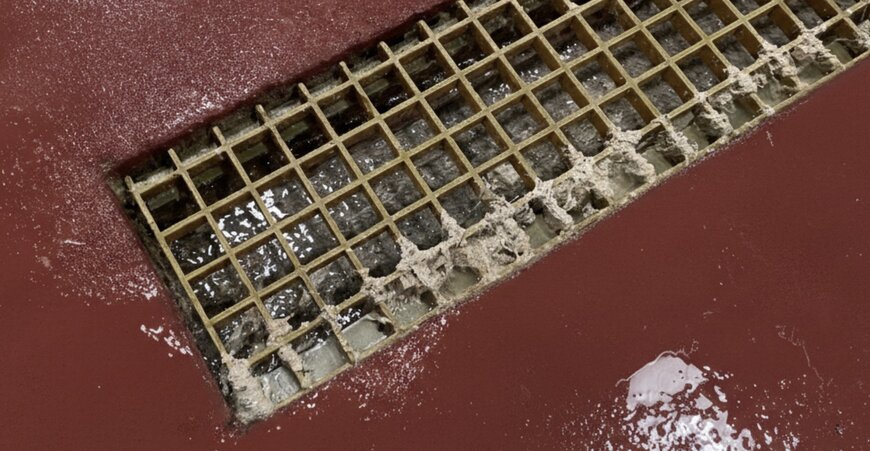
From documentation review to on-site verification
The program begins with a screening phase to define objectives and scope of work. A discovery stage then reviews available technical documentation and existing standard operating procedures (SOPs), establishing how drainage is intended to function within the plant’s sanitation and maintenance framework.
An on-site assessment follows, where engineering and construction specialists log drains, connected piping, and relevant process areas. Installation details, wear conditions, and signs of improper flow or maintenance challenges are recorded. This structured data collection enables performance gaps to be identified based on observed conditions rather than assumptions.
Findings from pre-screening, documentation review, and field assessment are consolidated into a technical report. The report outlines recommended corrective actions, upgrade priorities, and budget-level implementation options, giving plant teams a basis for phased investment planning.
Aligning drainage with hygienic standards
The evaluation methodology draws on experience from manufacturing, installing, and servicing drainage systems in food and beverage facilities. It references International Building Code requirements and current published drain standards as baseline criteria for design and installation practices.
By benchmarking existing conditions against these references, the program supports processors in documenting compliance and identifying where legacy installations may fall short of current hygienic expectations. This is particularly relevant in facilities where production lines have been modified over time without corresponding drainage upgrades.
Ongoing oversight for multi-site operations
For processors operating multiple plants, the program can be coordinated across sites under a single framework, supporting standardization of drainage design criteria and maintenance practices. An optional annual Evaluation Plan builds on the initial assessment, providing periodic reviews to track system condition, verify that corrective actions remain effective, and adjust priorities as production requirements evolve.
This continuous-review approach connects drainage performance with long-term uptime, hygiene, and safety metrics, making it part of routine infrastructure management rather than a one-time corrective exercise.
www.foodsafedrains.com
Effective drainage design is a core element of hygienic food and beverage production, influencing contamination control, worker safety, and equipment uptime. In this context, FoodSafe Drains has introduced a facility-wide Drainage Evaluation Program aimed at assessing system performance and guiding risk-based infrastructure improvements.
The program provides processors with an engineering-led framework to review how existing drainage systems perform under real production and sanitation conditions, and to translate findings into site-specific upgrade and maintenance strategies.
Looking beyond the drain grate
In food and beverage processing environments, drainage performance depends on more than the visible drain body. The evaluation framework covers drain types, installation methods, and maintenance practices, while also extending to adjacent systems such as flooring interfaces, underground piping, and below-grade infrastructure where required.
By examining how these elements interact during washdown, product changeovers, and peak production, the program links drainage performance directly to hygiene management and operational risk. This systems-level perspective aligns drainage decisions with broader facility objectives such as contamination control, worker safety, and production continuity, all of which are key elements of a compliant digital supply chain.
From documentation review to on-site verification
The program begins with a screening phase to define objectives and scope of work. A discovery stage then reviews available technical documentation and existing standard operating procedures (SOPs), establishing how drainage is intended to function within the plant’s sanitation and maintenance framework.
An on-site assessment follows, where engineering and construction specialists log drains, connected piping, and relevant process areas. Installation details, wear conditions, and signs of improper flow or maintenance challenges are recorded. This structured data collection enables performance gaps to be identified based on observed conditions rather than assumptions.
Findings from pre-screening, documentation review, and field assessment are consolidated into a technical report. The report outlines recommended corrective actions, upgrade priorities, and budget-level implementation options, giving plant teams a basis for phased investment planning.
Aligning drainage with hygienic standards
The evaluation methodology draws on experience from manufacturing, installing, and servicing drainage systems in food and beverage facilities. It references International Building Code requirements and current published drain standards as baseline criteria for design and installation practices.
By benchmarking existing conditions against these references, the program supports processors in documenting compliance and identifying where legacy installations may fall short of current hygienic expectations. This is particularly relevant in facilities where production lines have been modified over time without corresponding drainage upgrades.
Ongoing oversight for multi-site operations
For processors operating multiple plants, the program can be coordinated across sites under a single framework, supporting standardization of drainage design criteria and maintenance practices. An optional annual Evaluation Plan builds on the initial assessment, providing periodic reviews to track system condition, verify that corrective actions remain effective, and adjust priorities as production requirements evolve.
This continuous-review approach connects drainage performance with long-term uptime, hygiene, and safety metrics, making it part of routine infrastructure management rather than a one-time corrective exercise.
www.foodsafedrains.com
