
www.foodpackautomation.com
02
'26
Written on Modified on
Autonomous System Architecture for Integrated Packaging Automation
Syntegon implements an operational ecosystem to automate primary and secondary packaging through data-driven decision support and modular hardware platforms.
www.syntegon.com
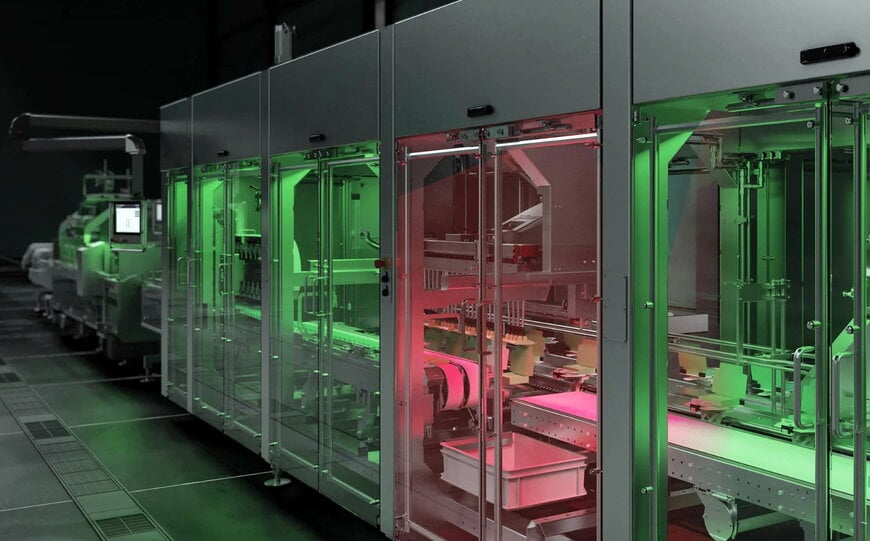
The neXt system architecture is an integrative automation solution designed for the pharmaceutical, biotech, and food industries to transition manual packaging processes into an autonomous production environment. By combining modular machine platforms with artificial intelligence and networked software, the system standardizes the digital supply chain at the factory level, optimizing overall equipment effectiveness (OEE) through reduced manual intervention.
Integration of Modular Machine Platforms
The architectural framework utilizes the HFX flow-wrapping platform for primary packaging and the TRX topload cartoning platform for secondary packaging as its core hardware components. These units operate as networked nodes within the ecosystem rather than isolated machines. Both platforms utilize a modular design that supports retrofitting, allowing for the subsequent integration of digital features or automation modules to meet shifting production requirements.
In the TRX platform, the system employs standardized format change concepts and harmonized interfaces. These mechanical and software standards enable operators to execute format changes in ten minutes. The reduction in physical format parts lowers initial investment costs and minimizes the technical training required for staff, addressing labor shortages in specialized production environments.
Data-Based Transparency and Decision Support
The system integrates machine-level hardware with cloud-based software solutions, such as Synexio, to facilitate real-time monitoring and status reporting. This automotive data ecosystem approach to packaging allows for the synchronization of 3D error views and logbook functions across the line.
Technical accuracy is maintained through camera-based and AI-driven quality control systems. These mechanisms provide automatic error detection and continuous status monitoring, which identify deviations in productivity or quality without manual inspection. By providing a transparent data set, the architecture enables production managers to base operational adjustments on measurable performance metrics, leading to a reduction in unplanned downtime and material waste.
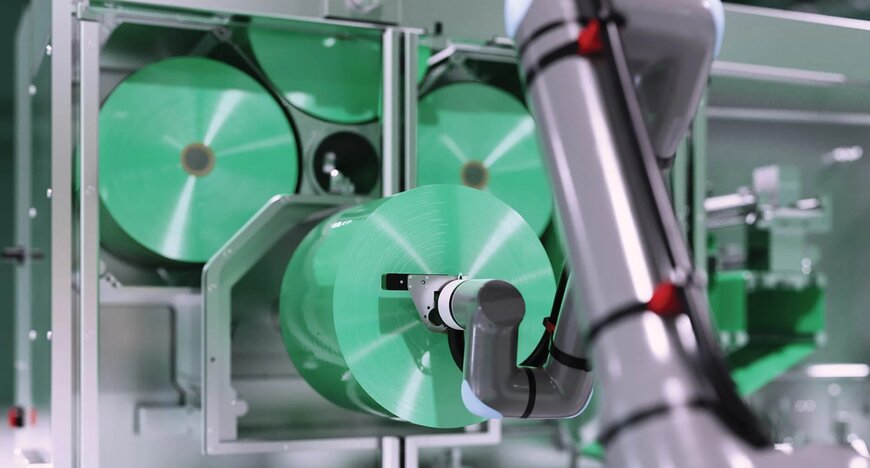
Implementation of Touchless Automation
To achieve higher levels of autonomy, the architecture automates non-value-adding repetitive tasks through the integration of autonomous mobile robots (AMRs) and high-performance splicing systems. These AMRs handle the material supply chain within the facility, providing and inserting film reels or cardboard blanks into the machines independently.
The integration of these autonomous systems allows packaging lines to operate for extended periods without human intervention. This shift toward touchless automation increases machine availability and reallocates human labor to complex technical oversight.
Sustainability and Regulatory Compliance
The architecture is designed to meet the requirements of the Packaging and Packaging Waste Regulation (PPWR). The systems utilize energy-reducing technologies and are engineered to process various sustainable materials and packaging styles. This flexibility ensures that production lines remain compliant with evolving environmental regulations while maintaining resource efficiency. As a strategic lifecycle partner, Syntegon provides service agreements ranging from preventive maintenance to defined response times, intended to secure the long-term technical value of the installation.
Edited by Evgeny Churilov, Induportals Media - Adapted by AI.
www.syntegon.com
