
www.foodpackautomation.com
01
'26
Written on Modified on
Process Measurement Solutions for Alternative Protein Food Production
KROHNE technical solutions for the alternative protein industry focus on continuous processing and automated measurement to optimize production efficiency and product quality.
uk.krohne.com
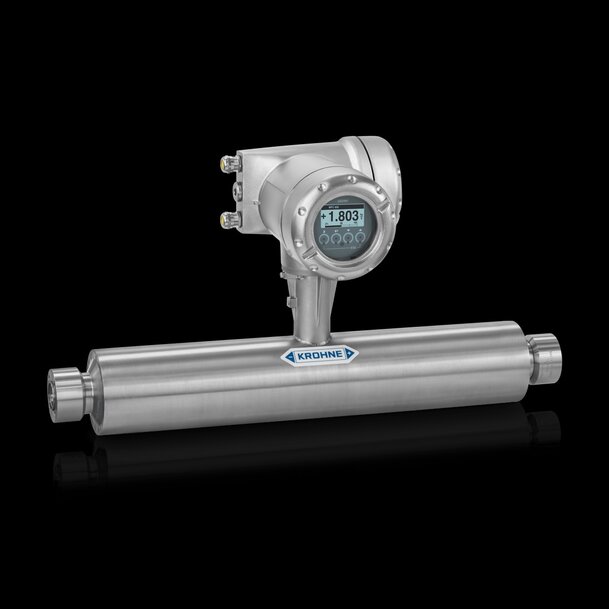
Alternative protein production utilizes machinery similar to traditional food processing, such as cutters, mincers, and fillers. To achieve price parity with conventional meat products, manufacturers utilize automated production methods and continuous processes to maximize machinery efficiency and maintain uninterrupted output.
Continuous Processing via Inline Weighing
In the production of plant-based products from legumes or soybeans, protein raw materials are processed into fine powders. These materials are often difficult to meter accurately due to their physical properties. While traditional methods involve batch weighing on scales, continuous inline weighing using Coriolis mass flowmeters allows for integration into process chains without interrupting the material flow. This approach replaces the collection of pre-products in containers, reducing process downtime and increasing overall throughput.
Entrained Gas Management in Extrusion
During the extrusion phase of alternative protein processing, the expansion of material often results in air entrainment within the fibrous structure. In conventional Coriolis mass flowmeters, these air pockets can cause measurement errors or signal interruptions. Entrained Gas Management (EGM) technology uses control algorithms to maintain meter operation despite the presence of gas. This technical capability is applicable in the production of textured extrudates as well as foamy products and spice sauce mixtures, where accurate metering is required despite varying gas content.
Sensor Geometry and Energy Efficiency
The physical design of the measuring instrument affects the processing of pasty media. Where dual-tube designs may cause pressure losses in meat substitutes, single-tube sensor geometry reduces resistance. This reduction allows for lower pump output, which contributes to lower energy consumption and more precise metering of viscous and sticky protein masses. The advanced sensor geometry also ensures that products with specific textures are not sheared during the measurement process.
Process Parameters for Product Texture
Achieving the required consumer texture involves the control of feed quantities, pressure, and temperature. Precise dosing of ingredients such as spices and flavors is necessary for consistency in taste and appearance. Measurement systems used in these applications are constructed from food-compliant materials and designed without dead spaces to meet EHEDG and 3-A certifications as well as FDA and EU regulatory requirements.
Scalability and Resource Management
Implementing automation at the pilot stage provides a technical foundation for scaling production. By shifting from batch production to inline blending, facilities can increase volume and improve consistency. Measurement technology also supports sustainability by reducing product giveaway and minimizing the need for rework. Monitoring instrumentation includes diagnostic and verification options to support maintenance over an extended operational lifespan.
Edited by an industrial journalist, Lekshman Ramdas, with AI assistance.
www.krohne.com
