
www.foodpackautomation.com
02
'26
Written on Modified on
Hygienic Stainless Steel Drains for Food Processing
FoodSafe Drains expands its sanitary drainage portfolio with stainless steel area drains designed to support cleanability, fluid management, and regulatory compliance in food, beverage, and pharmaceutical facilities.
foodsafedrains.com
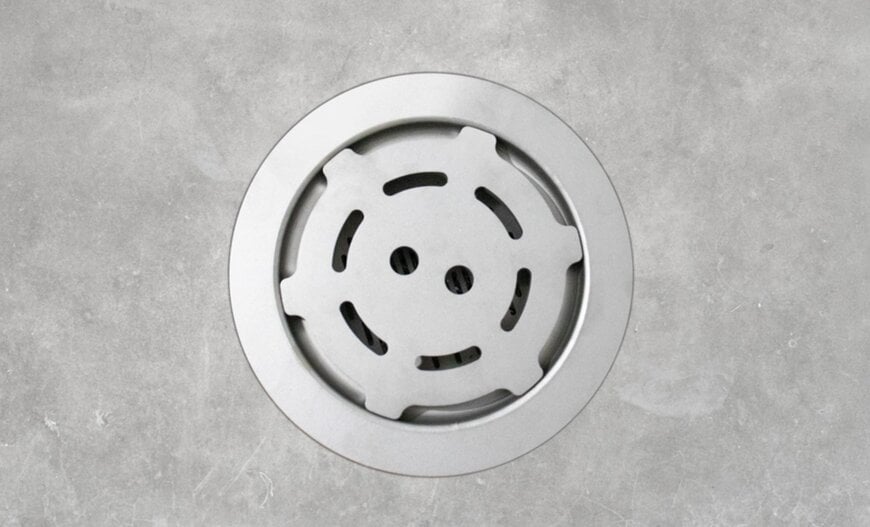
FoodSafe Drains has highlighted its FoodSafe Area Drain range, a hygienic drainage system developed for sanitation-critical production environments. The stainless steel drainage solutions are designed to handle liquid and solid waste streams while supporting cleaning protocols and regulatory requirements in food processing, beverage manufacturing, pharmaceutical production, and commercial kitchen operations.
Hygienic Drainage Design for Sanitation-Critical Facilities
Drainage systems play a significant role in maintaining hygiene standards across food and pharmaceutical manufacturing environments. Poorly designed drains can create bacterial harborage points, increase cleaning complexity, and contribute to contamination risks.
The FoodSafe Area Drain incorporates a fully spun stainless steel construction with a continuously sloped interior profile. According to the company, the seamless design eliminates internal joints and crevices where contaminants can accumulate. The drains are manufactured to meet NSF/ANSI/3-A sanitary standards, which establish requirements for cleanability and hygienic equipment design in food processing applications.
The design approach addresses a common challenge in hygienic facility engineering: preventing the formation of niches that may support microbial growth while ensuring efficient wastewater removal.
Drain Configurations for Different Flow Requirements
The drainage range includes multiple configurations intended to address varying installation requirements and process conditions.
The Round Bottom Area Drain is positioned as the standard configuration for general hygienic drainage applications. The Cone Bottom Area Drain is designed for installations requiring higher drainage velocities and increased flow performance. For facilities with limited floor depth or structural restrictions, the Shallow Area Drain provides an alternative installation option.
Each configuration is available with either square-top or round-top designs, allowing integration into different floor layouts and production environments.
Stainless Steel Construction and Washdown Resistance
The drains are manufactured from either T304 or T316 stainless steel. Both materials are widely used in hygienic processing environments because of their corrosion resistance and compatibility with aggressive cleaning procedures.
The construction is intended to withstand frequent washdown cycles, including exposure to hot-water cleaning processes that can subject drainage infrastructure to significant temperature fluctuations. Such thermal cycling is common in food and beverage facilities where sanitation protocols require repeated cleaning and disinfection.
Each drain is supplied with a flush-fitting hygienic stainless steel lid measuring 0.5 inches in thickness. Additional lid and grate configurations are available, including pharmaceutical-grade GMP-compliant covers intended for regulated manufacturing environments.
Debris Management and Access Control Features
The drainage system includes a custom-fit strainer basket as standard equipment. The basket is designed to capture solids before they enter the drainage network, reducing the likelihood of downstream blockages.
An optional magnetic locking strainer can also be installed. This secondary component is intended to restrict unauthorized access to underground plumbing infrastructure while providing an additional barrier against debris entering the drainage system.
Such features can be particularly relevant in facilities where maintenance access control and process hygiene are critical operational considerations.
Hydraulic Capacity and Load Performance
The standard drain configuration features an 8-inch diameter and a rated flow capacity of 32 gallons per minute. Custom sizing options are available for facilities with specific hydraulic requirements.
According to FoodSafe Drains, the system is intended for point-drainage applications covering floor areas of up to 400 square feet. This makes the drains suitable for localized wastewater collection zones commonly found in processing rooms, washdown areas, and utility spaces.
The drains also carry a Load E rating, enabling installation in environments exposed to heavy forklift traffic, pallet jacks, and other industrial material-handling equipment. This mechanical load capacity supports use in production facilities where floor infrastructure must withstand both sanitation procedures and operational traffic.
Applications Across Food, Beverage, and Pharmaceutical Production
The drainage systems are designed for a range of sanitation-sensitive industries. Primary applications include food and beverage processing plants, pharmaceutical manufacturing facilities requiring GMP-compliant drainage solutions, and commercial kitchens seeking alternatives to traditional sealed floor drains.
Additional use cases include loading docks, utility rooms, and production areas where flood protection, debris management, and hygienic design requirements must be addressed simultaneously.
As regulatory scrutiny of facility hygiene continues to increase, drainage infrastructure has become an important element of broader food safety and pharmaceutical quality management strategies. Hygienic drainage systems contribute to contamination control programs by supporting effective cleaning procedures and reducing potential bacterial growth locations within facility infrastructure.
Additional Context
This section details technical specifications and competitive benchmarking not included in the original news release.
Hygienic drainage systems used in food and pharmaceutical facilities are commonly evaluated according to sanitary design standards, corrosion resistance, hydraulic performance, and cleanability characteristics. Key industry benchmarks include compliance with NSF/ANSI/3-A sanitary requirements, the use of stainless steel materials such as T304 and T316, and the elimination of crevices or welded seams that may create contamination risks.
Comparable drainage solutions are offered by manufacturers including ACO, Zurn Elkay Water Solutions, and Wade Drains. Across the sector, hygienic drainage products typically incorporate sloped interiors, removable baskets, stainless steel construction, and load-rated covers designed for industrial traffic conditions.
The FoodSafe Area Drain's fully spun, seamless body design represents a specific approach to minimizing bacterial harborage points. In comparison, many conventional sanitary drains rely on fabricated or welded constructions that require additional attention during cleaning and inspection. The availability of multiple drain geometries, including round-bottom, cone-bottom, and shallow-body variants, allows facilities to select drainage configurations based on hydraulic performance requirements and installation constraints while maintaining compliance with sanitary facility design principles.
Edited by Aishwarya Mambet, Induportals Editor, with AI assistance.
www.foodsafedrains.com
