
www.foodpackautomation.com
24
'26
Written on Modified on
Integrated Architecture for Industrial Food Processing
JBT Marel deploys unified production and traceability systems to optimize operations in the food processing industry.
marel.com
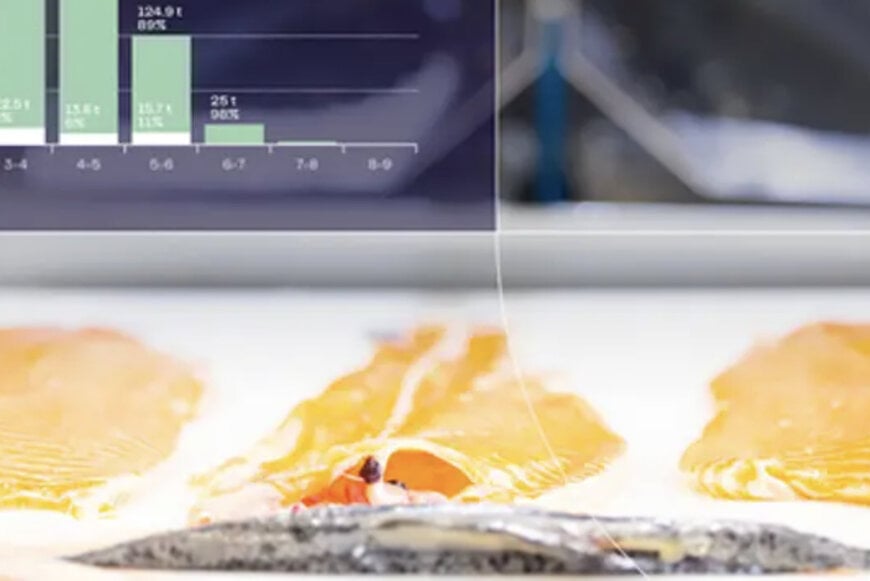
JBT Marel collaborates with various food industry manufacturers to implement a centralized technological architecture. This integration of hardware and software systems aims to optimize production, yield, and compliance in the meat, poultry, and seafood sectors.
Industrial Context and Operational Challenge
Food processing plants face the technical challenge of managing complex production lines where equipment and software fragmentation leads to delays in integration, troubleshooting, and training. The need to maintain rigorous traceability while avoiding unplanned downtime requires a transition from a multi-vendor model to a unified operational ecosystem capable of consolidating key performance indicators.
Technical Solution and Systems Architecture
To meet these requirements, JBT Marel provides an integrated production system coordinating physical equipment, sensors, and software interfaces. The solution centralizes documentation tracking and automates the distribution of operating instructions directly to workstation screens. This centralized architecture eliminates technical overlap between different application areas, ensuring defined accountability and real-time synchronization of production data flows.
Deployment and Implementation
The technology is deployed in a scalable manner across multiple processing facilities worldwide, including the infrastructure of the Zakrzewscy Group in Poland, Perú Frost in Peru, JK Thomson in Scotland, Mt Cook Alpine Salmon in New Zealand, and São Salvador Alimentos in Brazil. Implementation relies on local engineering structures and includes standardized technical training, allowing operators to interact with a single common software and hardware environment.
Applications and Use Cases
Primary applications target meat, aquaculture, and poultry processing facilities. Technical use cases include real-time production monitoring, dynamic adjustment of processing parameters to minimize raw material loss, and the execution of end-to-end traceability processes via barcode scanning to satisfy regulatory requirements and audits.
Quantifiable Impacts on Infrastructure
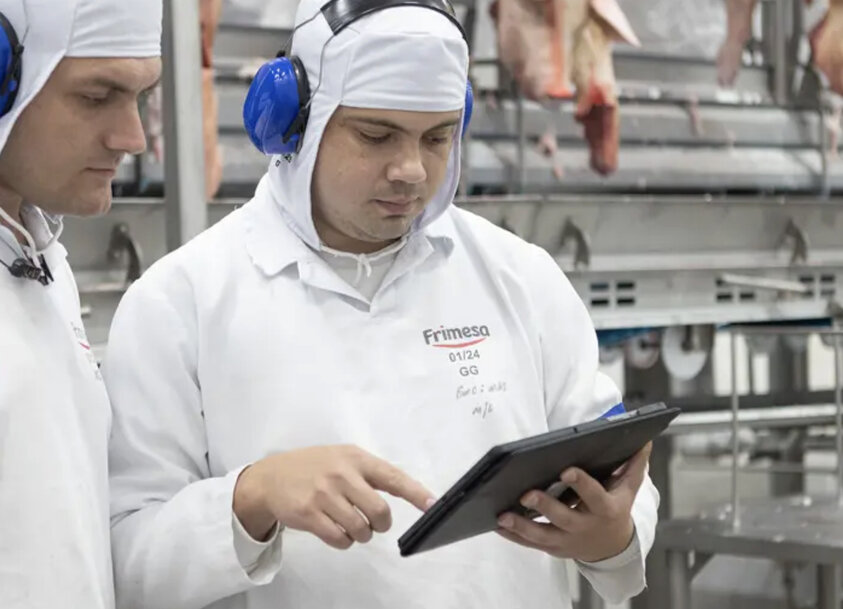
System integration drastically reduces delays related to supply chain compliance verification. The traceability module makes it possible to process an audit query regarding origin and parameters in three to four minutes, replacing manual procedures that could take up to four hours. Automated updates to production reports on each workstation's IT terminals reduce the frequency of operational errors, stabilize finished product yield, and minimize the time allocated to personnel cross-training.
“This company offers comprehensive, scalable systems that can be flexibly expanded as plant needs grow,” states Paweł Zakrzewski, Board Member of the Zakrzewscy Group.
“If someone hands you a barcode and gives you four hours to perform a trace, you can usually accomplish it in about three or four minutes,” notes Enoch Robinson, Technical Manager at JK Thomson.
Edited by Maria Brueva, Editor at Induportals – adapted by AI.
www.jbtmarel.com
