
www.foodpackautomation.com
12
'26
Written on Modified on
High-Speed Vacuum Skin Packaging for Perishable Food Production
ULMA Packaging integrates the Fast Skin system into its TSA tray sealer line to achieve production speeds of 13 cycles per minute for vacuum applications.
www.ulmapackaging.com
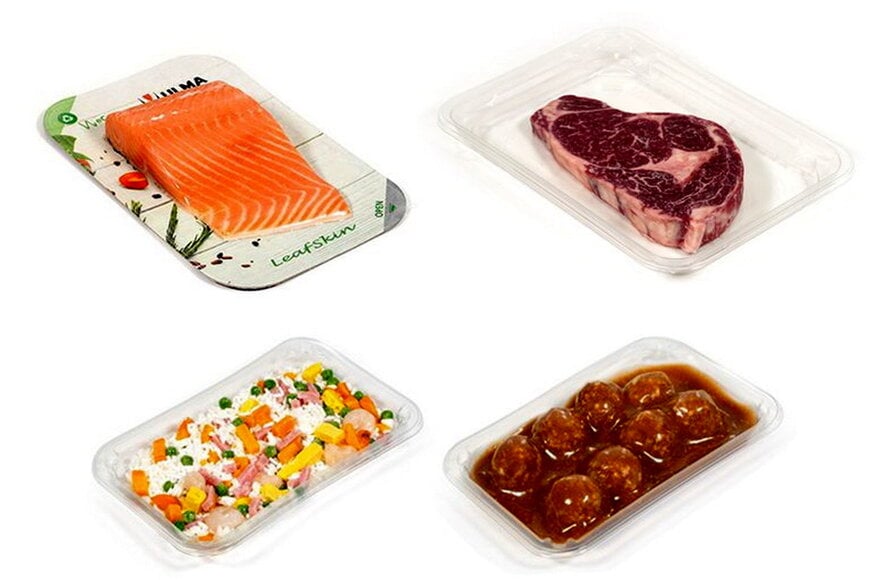
The TSA range of tray sealers utilizes automated feeding, vacuum, and sealing mechanisms to provide high-throughput skin packaging for the meat, poultry, and produce sectors. By optimizing the thermodynamic and pneumatic stages of the packaging cycle, these machines enable high-volume output while maintaining the airtight seal integrity required for extended shelf life and premium retail presentation.
Technical Performance and Cycle Optimization
The primary technical challenge in skin packaging—where a film is drawn tightly over the product and base—is the time required to create a sufficient vacuum and ensure a uniform seal. ULMA Packaging addresses this through its Fast Skin™ technology, which synchronizes the film heating and vacuum application phases to reduce dwell time.
This optimization allows the TSA range to reach speeds of up to 13 cycles per minute. This rate is historically comparable to Modified Atmosphere Packaging (MAP) speeds, effectively bridging the productivity gap between standard tray sealing and specialized vacuum skin applications. The system utilizes recipe-based parameter settings to ensure consistent temperature control and pressure application across varying production runs.
Versatility in the Food Data Ecosystem
Modern food processing requires flexibility to handle diverse product profiles. The TSA series is engineered to accommodate various product heights and formats, ranging from traditional high-rimmed trays to flat cardboard bases. This versatility is critical for a resilient digital supply chain, as it allows processors to pivot between different packaging materials and styles without extensive mechanical reconfiguration.
The machines are compatible with the LEAFSKIN® process, which utilizes flat cardboard boards instead of plastic trays. This application reduces plastic consumption and aligns with European sustainability standards for recyclable packaging materials.
Operational Benefits and Maintenance
To maintain high OEE (Overall Equipment Effectiveness), the TSA sealers feature standardized mechanical interfaces and intuitive control systems. The integration of "Smart Machine" capabilities allows for the monitoring of performance data, enabling predictive maintenance and reducing unplanned downtime.
Specific technical benefits include:
- Airtight Seal Integrity: Precise pressure distribution prevents leaks, maintaining the vacuum environment necessary to inhibit aerobic bacterial growth.
- Material Efficiency: Precision film cutting and positioning minimize scrap, reducing the total cost of ownership per unit.
- Format Adaptability: The modular design of the sealing die allows for rapid changeovers between different tray dimensions.
These systems are designed for intensive use in the meat and poultry industries, where high-speed throughput and hygiene standards are paramount. By automating the vacuum skin process at scale, the technology supports the increasing demand for high-quality, shelf-stable protein products in the global retail market.
Edited by an industrial journalist, Name Surname
www.ulmapackaging.com
Edited by an industrial journalist, Name Surname
www.ulmapackaging.com
