
Tetra Pak Debuts World-First Paper-Based Barrier for Juice Packaging
New Don Simón carton replaces aluminium layer with renewable paper barrier to cut carbon impact.
www.tetrapak.com
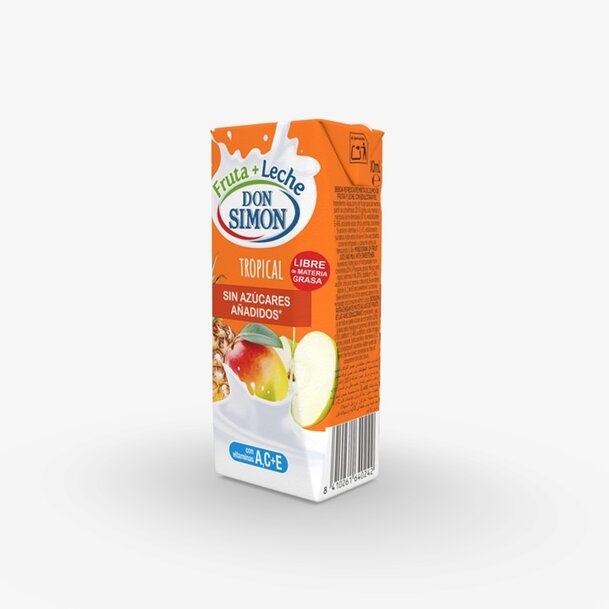
A Major Step Toward Fully Renewable Aseptic Juice Packaging
Tetra Pak has launched the first juice carton globally to use a paper-based barrier in place of the traditional aluminium layer, marking a breakthrough in aseptic food packaging. Developed and deployed with García Carrión, Spain’s largest juice producer, the new Tetra Brik Aseptic 200 ml Slim Leaf package is now entering multiple markets under the Don Simón brand. The material pushes renewable content to 92% and delivers a verified 43% reduction in carbon footprint compared with standard aseptic cartons containing aluminium and fossil-based polymers.
Delivering Renewable Content at Scale
The new package is composed of up to 80% paper, supported by plant-based polymers in the coatings to further increase its renewable share. For García Carrión, this industrial implementation aligns with its 360° Sustainability Strategy, which has earned awards for circularity and low-impact manufacturing. Both companies emphasise that the innovation demonstrates how renewable materials can scale without compromising food protection, operational efficiency or brand requirements.
How the Paper-Based Barrier Works
Tetra Pak’s barrier replaces aluminium with a paper-based functional layer that protects juice against oxygen, light, moisture and microbial contamination. The barrier performs the core task of maintaining shelf stability and safety while reducing dependency on fossil-based components. Because its structure is predominantly paper, the new material can be collected, sorted and recycled where carton recycling systems exist, with expected downstream benefits such as improved fibre recovery and greater circularity in the recycling process.
Positioned Within Tetra Pak’s Long-Term Sustainability Roadmap
The launch advances Tetra Pak’s ambition to develop a fully renewable, fully recyclable next-generation food package made only from responsibly sourced or recycled materials and delivering minimal carbon impact. The paper-based barrier was first introduced in 2023 with a dairy application in Portugal, earning recognition for resource efficiency. Its expansion into the juice category signals that renewable-based aseptic packaging is moving from pilot stage to industrial-scale deployment across multiple beverage segments.
www.tetrapak.com
