
www.foodpackautomation.com
16
'26
Written on Modified on
Tetra Pak Launches Efficient New Whole Grain Oat Beverage Line
The innovative production solution utilizes the entire oat grain to increase yield by 25 percent, boost nutritional value, and reduce industrial water waste.
www.tetrapak.com
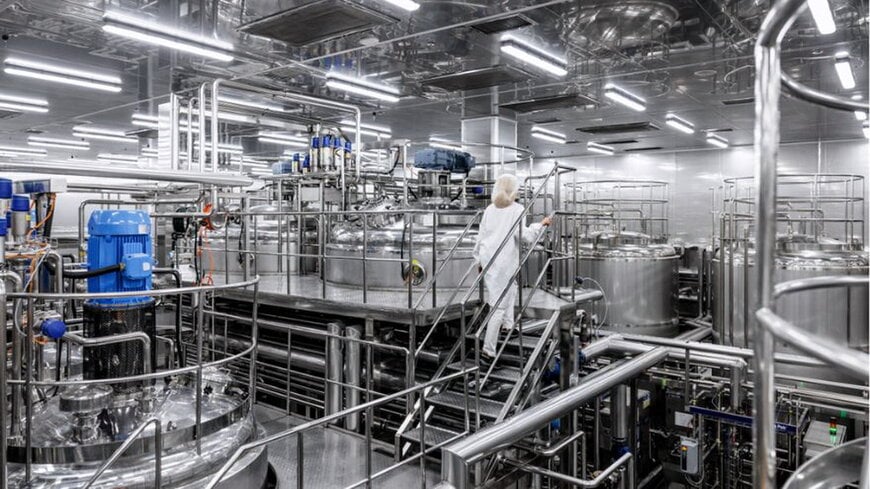
Tetra Pak has developed a new technology that integrates the whole oat grain into the production chain to minimize waste within the food industry. This system solution addresses the growing global demand for plant-based beverages by combining resource efficiency with enhanced nutritional content.
Resource efficiency in plant-based food production
Traditional processing methods for oat beverages utilize an average of only 80 percent of the oat grain, resulting in a significant amount of residual products and solid waste. The new process technology utilizes virtually 100 percent of the raw material. This increases the yield of the finished product by up to 25 percent from the same amount of incoming raw material. By eliminating the need to handle and transport side streams, process complexity is reduced. For a standard line, this translates to a reduction in water consumption of up to 1.9 million liters per year, directly lowering operational running costs.
Technical advantages and nutritional optimization
The complete integration of the grain positively affects the composition of the end product without compromising texture or taste. By retaining the parts of the oat grain that are typically filtered out, the beverage contains approximately 60 percent more protein and 200 percent more fiber compared to beverages produced using conventional technology. This method responds to market demands for nutrient-dense foods while addressing global challenges regarding waste, as the UN Food and Agriculture Organization FAO reports that one-third of all food in the value chain is lost. The technology has been tested and evaluated at the development center in Lund, where producers can adapt specific recipes.
Additional Context
This section details technical specifications and competitive benchmarking not included in the original product announcement.
In the industrial manufacturing of oat beverages, the standard has long been an enzymatic process followed by decanting or separation. This separation isolates soluble fibers such as beta-glucans but removes insoluble fibers and proteins as solid pomace. Competing systems on the market often require separate additions of stabilizers or external high-pressure homogenization steps to prevent sedimentation when solid particles are included.
The integrated solution from Tetra Pak differs from traditional systems by utilizing an advanced milling and shearing technology that reduces particle size to the micron level directly within the process flow. This creates a stable colloidal suspension without the need for mechanical separation, which explains the savings in process water. Compared to conventional hydrolysis units that generate pomace, this direct method reduces production waste to near zero, lowering the factory's total Chemical Oxygen Demand, COD, in the wastewater.
Edited by Evgeny Churilov, Induportals Media - Adapted by AI.
www.tetrapak.com
