
www.foodpackautomation.com
08
'26
Written on Modified on
Tetra Pak launches paper-based ice cream packaging wrapper
The new wrap utilizes up to 85 percent paper, delivering cold chain performance for ice cream producers.
www.tetrapak.com
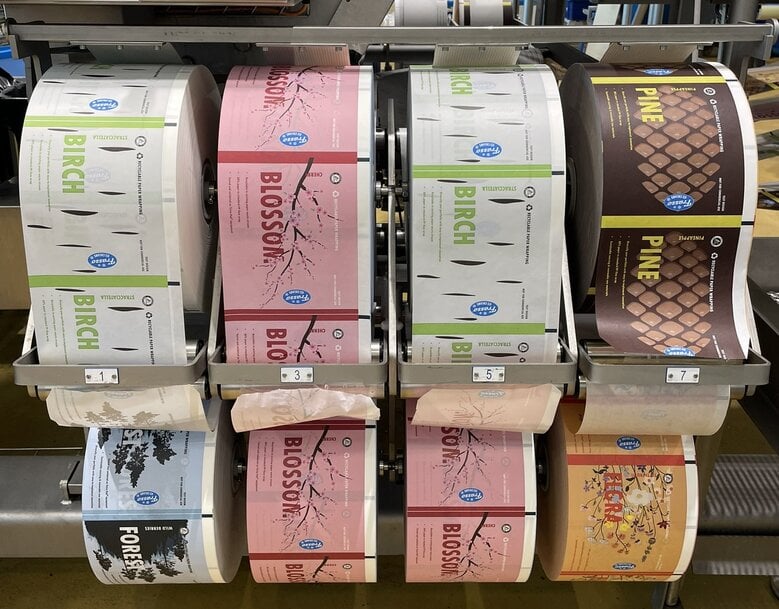
Tetra Pak is expanding its packaging portfolio into the frozen dessert sector with the Tetra Pak Ice Cream Wrap. Developed to address evolving consumer preferences, the solution is constructed from up to 85 percent paper sourced from FSC-certified forests and controlled sources. Market research indicates that nearly a quarter of global consumers prioritize sustainability in ice cream packaging, with a growing segment specifically favoring paper-based alternatives. This material shift allows brands to differentiate their products on retail shelves while maintaining the structural integrity required for temperature-sensitive distribution.
Cold chain reliability and production integration
Transitioning from traditional plastic films to paper-based wrappers in frozen environments presents significant technical challenges related to moisture resistance and thermal stability. To address this, the Tetra Pak Ice Cream Wrap utilizes an advanced multi-layer structure with a thin profile. This engineering ensures the packaging protects the product against freezer burn and physical deformation throughout the cold chain while optimizing material efficiency. The solution is currently undergoing live production validation with European ice cream manufacturers, including Sweden-based Triumf Glass, to verify operational reliability on existing packaging lines before a phased commercial rollout scheduled for the fourth quarter of 2026.
Additional Context: Packaging barriers in sub-zero environments
In frozen food logistics, packaging materials must withstand extreme temperature fluctuations and high humidity without degrading or adhering to the product. Traditional ice cream wrappers rely heavily on flexible polymer films—such as biaxially oriented polypropylene (BOPP)—because of their excellent moisture vapor transmission rate (MVTR) and puncture resistance. Replacing these polymers with a high-percentage paper substrate requires sophisticated barrier coatings. These multi-layer structures typically integrate an ultra-thin functional layer over the paper base to prevent moisture ingress, ice crystallization, and structural failure during the freezing and thawing cycles inherent in retail cold chains, balancing environmental sustainability with crucial food safety requirements.
Edited by Lekshman Ramdas, InduPortals editor – adapted by AI.
www.tetrapak.com
